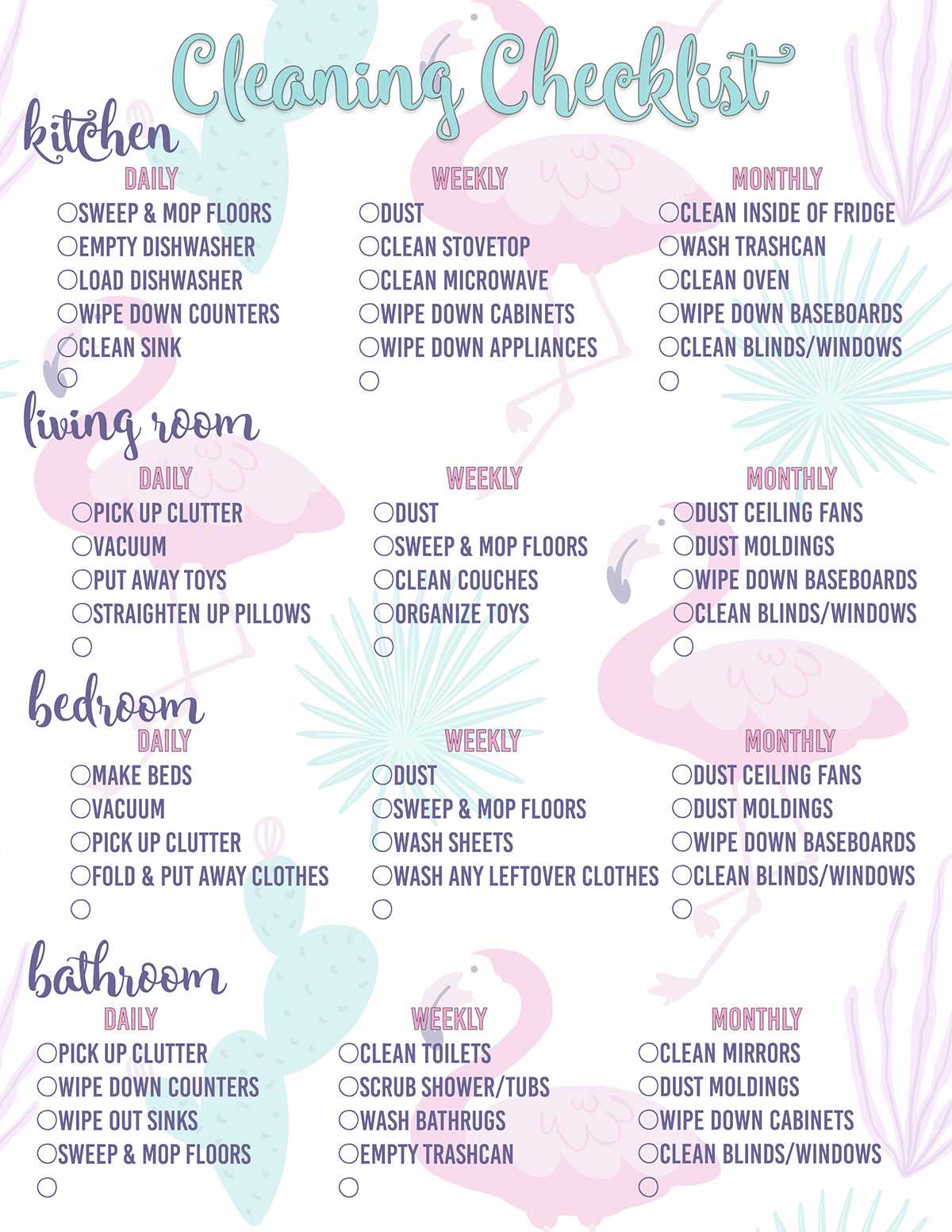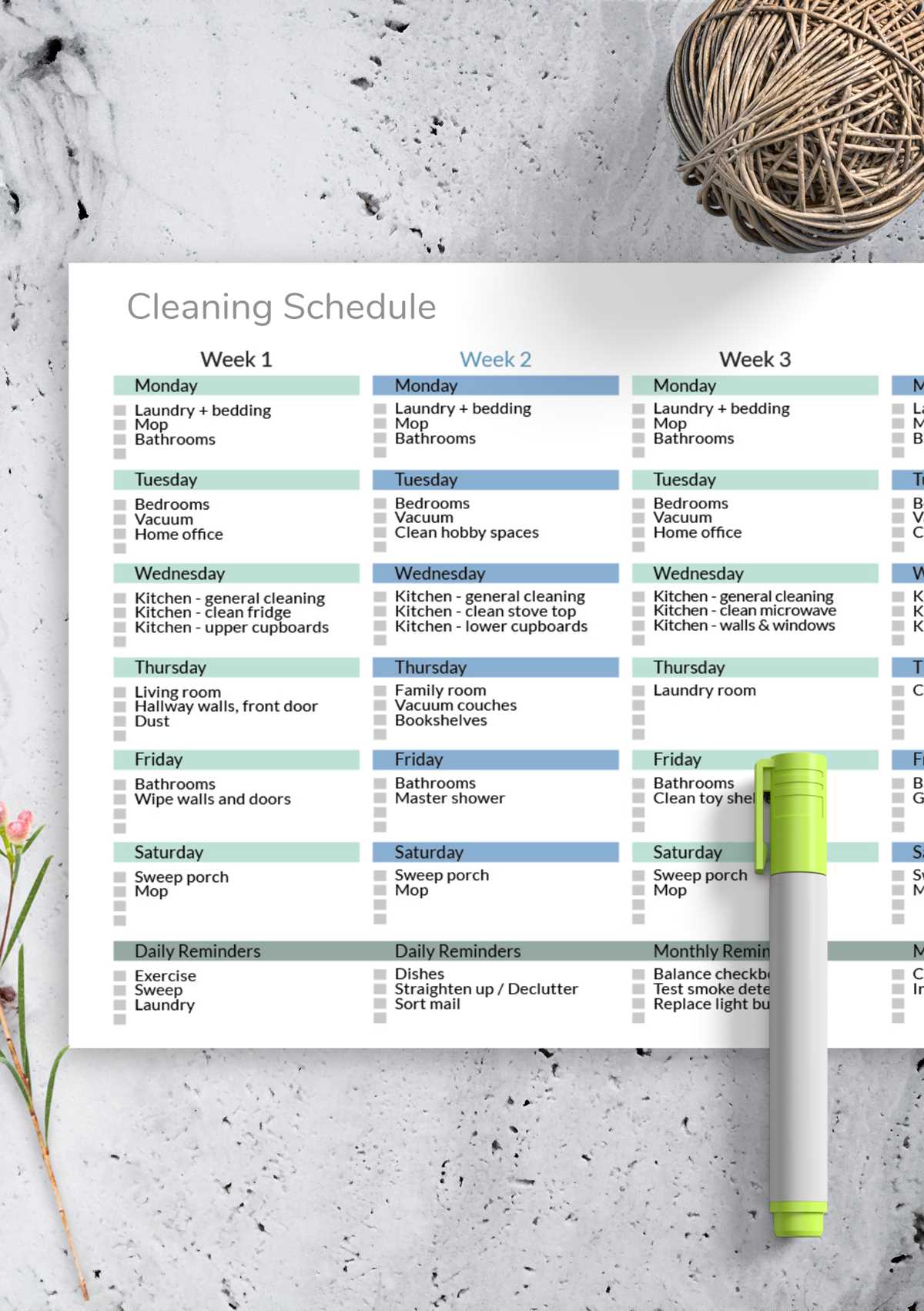
Divide your household tasks by day to prevent overwhelm and ensure every area gets attention. A clear schedule helps break down chores into manageable portions, allowing you to tackle one thing at a time. Mark down key tasks that need completion each week, such as wiping down surfaces, dusting furniture, and tidying rooms. This method allows for a consistent routine while keeping your space organized.
Assign specific chores for each day based on priority. For example, set aside time on Mondays for vacuuming and Tuesdays for bathroom upkeep. By doing this, the tasks become predictable and less stressful. You can also delegate certain duties to other members of the household, ensuring everyone contributes. This method not only helps with time management but also encourages accountability.
Utilize a visual guide to track progress as it makes checking off completed tasks easier. Use a chart or list where you can mark off chores as you go. This can help motivate you to keep going, especially as you see progress in real-time. Whether you choose to use a digital app or a physical printout, tracking your success each week reinforces good habits and ensures nothing is forgotten.
Creating a Structured Household Task Plan
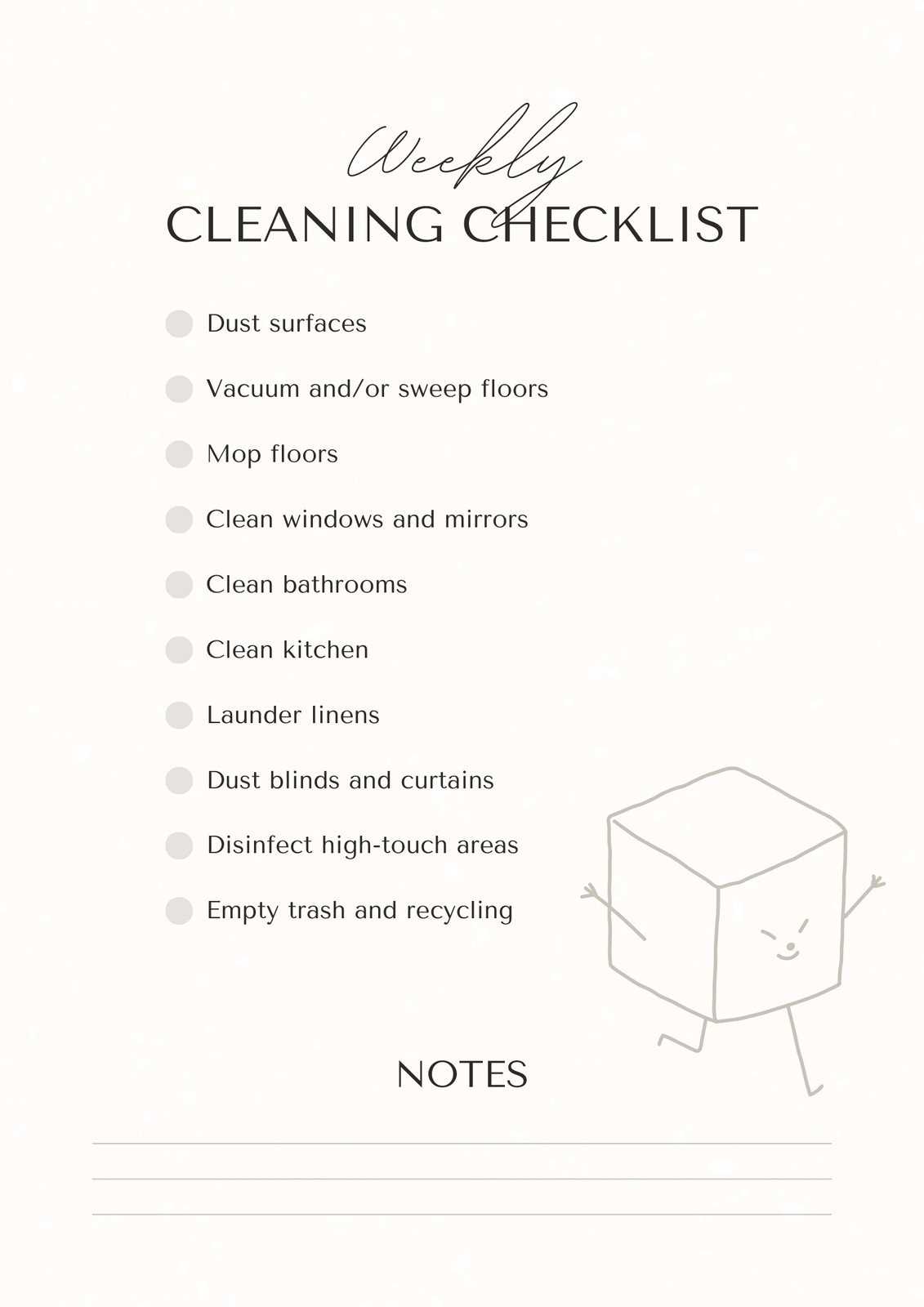
Breaking down your household responsibilities into smaller tasks for each day makes managing your space easier. Assign each day specific jobs to ensure everything is maintained without feeling overwhelmed. A structured approach helps you focus on one thing at a time and stay on track.
For example, on Mondays, focus on vacuuming and dusting. Tuesdays can be reserved for bathroom maintenance, while Wednesdays are ideal for kitchen upkeep. By setting these tasks on certain days, you won’t miss important chores, and it keeps you on a steady rhythm throughout the week.
- Monday: Vacuum and mop all floors
- Tuesday: Scrub bathrooms and disinfect surfaces
- Wednesday: Clean kitchen counters and appliances
- Thursday: Organize living areas and bedrooms
This method also allows flexibility in how much time you allocate for each task. Whether you spend more time in one area or take breaks, the key is sticking to a clear daily routine.
How to Create a Personalized Weekly Cleaning Checklist
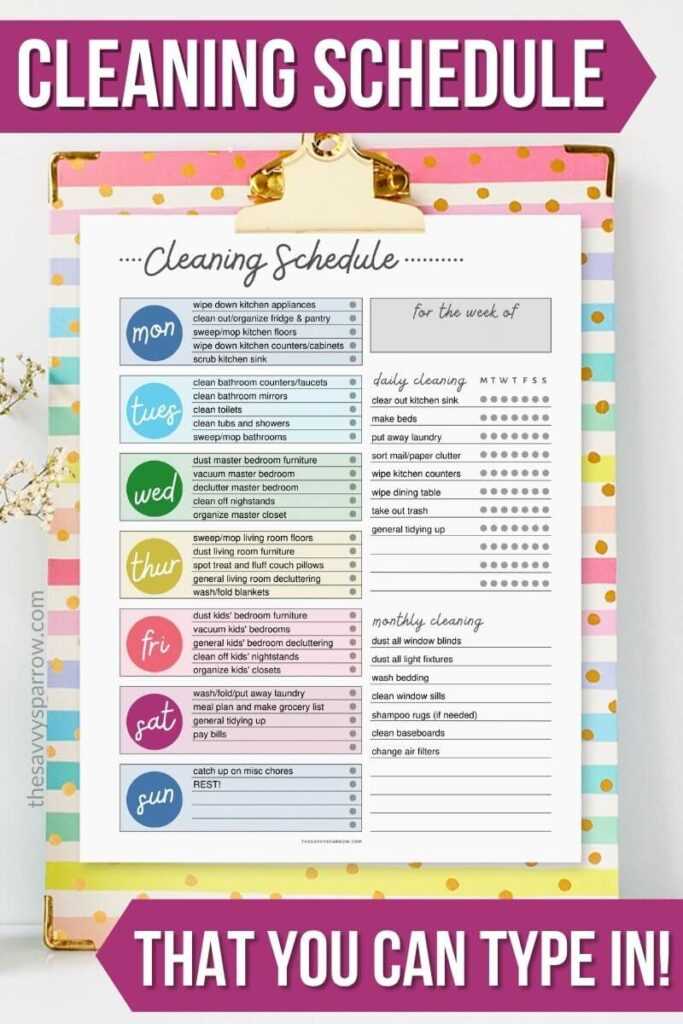
Start by listing all areas in your home that require regular attention. Divide these spaces into categories such as living areas, bedrooms, bathrooms, and kitchen. This approach helps identify which rooms need frequent care and which ones may need less regular upkeep.
Next, assess how much time you can realistically dedicate each day to maintaining these areas. If your schedule is tight, prioritize high-traffic zones like the kitchen and living room. Plan less frequent tasks like deep-cleaning carpets or organizing storage for weekends or days with more flexibility.
Once tasks are categorized, break them down further into specific actions. For example, in the kitchen, assign specific chores like wiping counters, cleaning the refrigerator, and sanitizing the sink. For the bathroom, detail out tasks like scrubbing tiles, cleaning mirrors, and disinfecting toilets.
It’s also helpful to adjust the frequency of each task. Some chores, like vacuuming or mopping, might need to be done every other day, while others, like washing windows or deep-cleaning appliances, could be scheduled weekly or bi-weekly.
Be mindful of who can contribute. If you live with others, assign tasks based on availability and preferences. For example, someone may prefer dusting, while another might be more willing to tackle the bathroom. Assigning tasks to family members can help distribute the workload more evenly.
Utilize tools like calendars or apps to track progress. By visualizing what has been done, it’s easier to stay motivated and avoid missing any tasks. A visual representation of your plan, such as a digital list or physical chart, helps you see when a chore is due or when it has been completed.
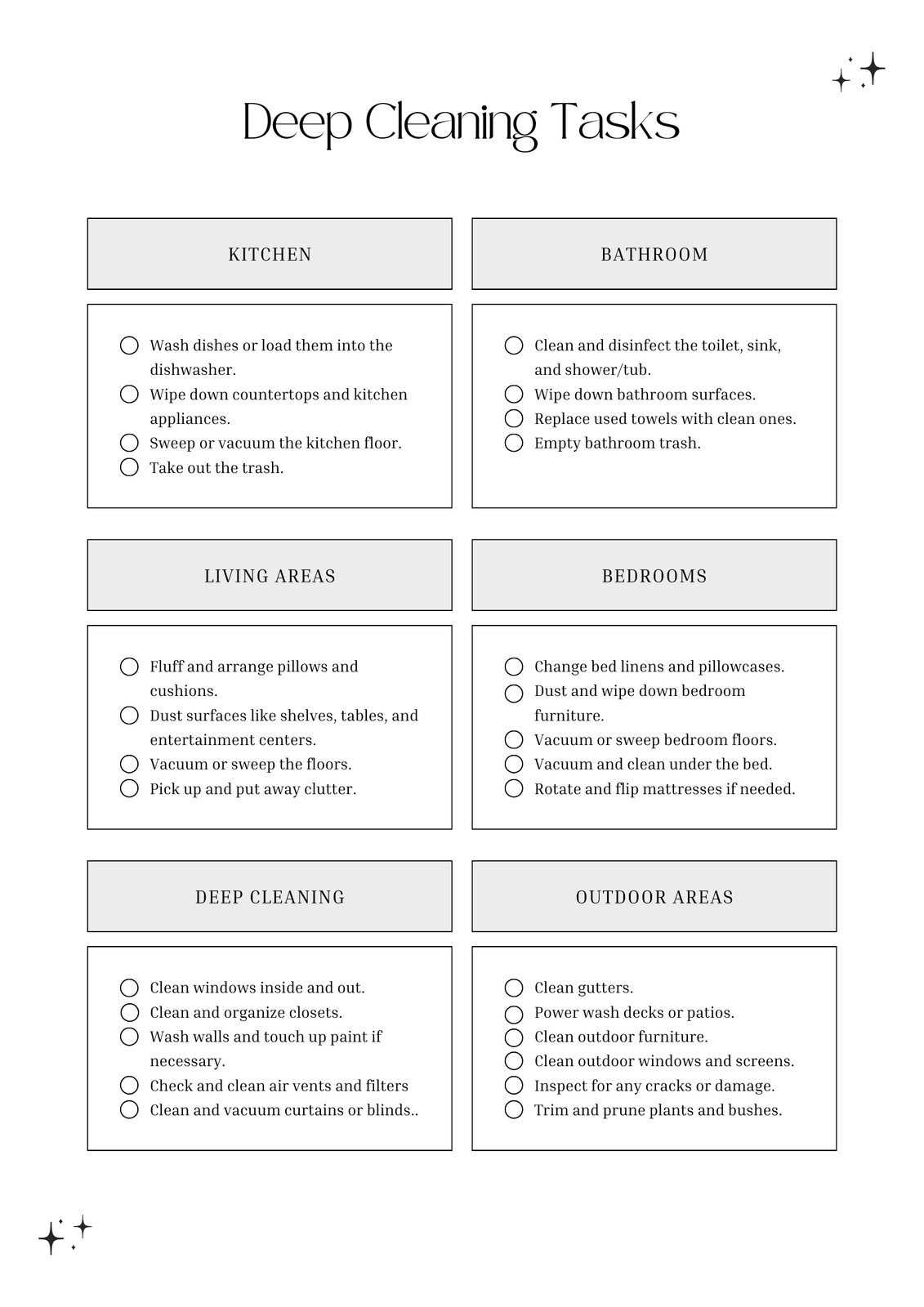
Periodically revisit and adjust your plan as necessary. If you find that some tasks take longer than expected or are too often repeated, consider reorganizing the schedule. Your home and lifestyle can change, so it’s important that the routine evolves with them.
Lastly, keep the plan flexible. Life can get busy, and sometimes certain tasks will need to be shifted around. Be realistic and adapt your list as needed, while ensuring the core tasks are being handled consistently.