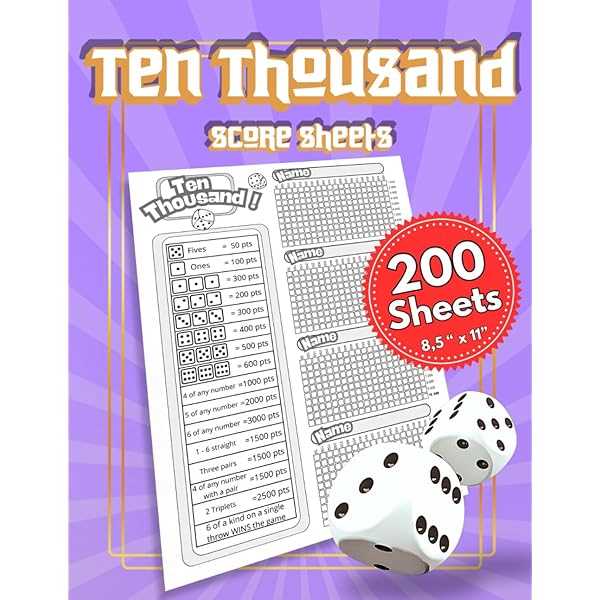
To start, each player takes turns rolling the dice and aiming to accumulate points based on specific combinations. After each roll, players must decide whether to bank their points or continue rolling to accumulate more, with the risk of losing everything on a bad roll.
The scoring system is based on specific combinations of dice values. For instance, rolling a single “1” or “5” gives you points, while three of a kind, such as three “1s,” scores higher. You can find a full list of scoring combinations in the game instructions, but the key is to balance risk and reward with each roll.
It’s helpful to use a scorecard to track points throughout the game. Each player’s score is recorded as they accumulate points and take risks. Understanding when to stop rolling and secure your score is crucial for winning the game.
How to Play the Dice Game
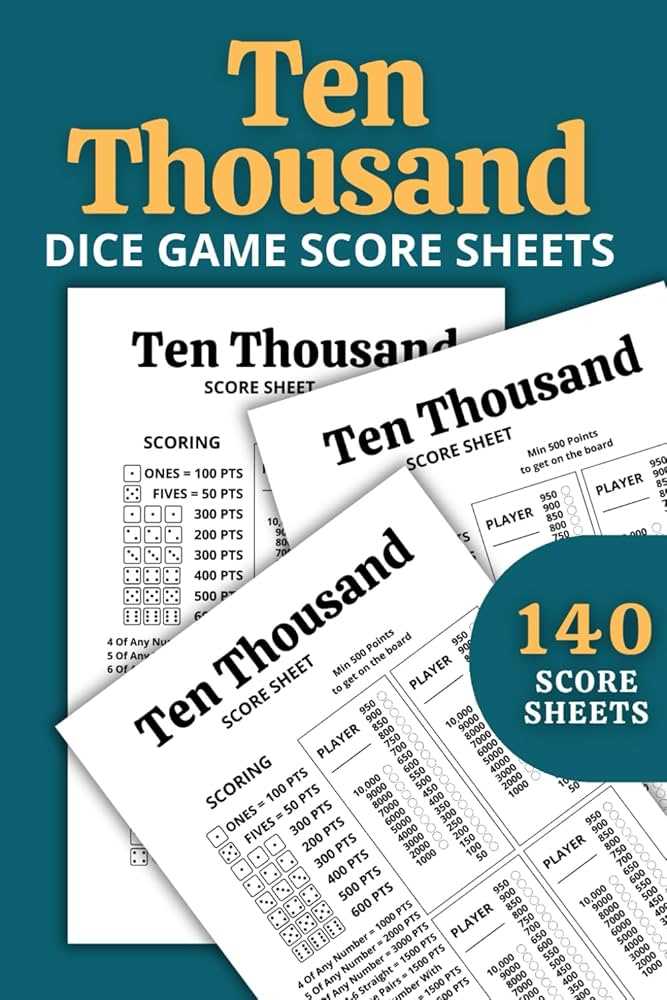
Each player starts their turn by rolling all six cubes. The goal is to accumulate points by rolling specific combinations. Players may choose to either keep the points they’ve earned in a round or continue rolling to earn more, but this comes with the risk of losing the accumulated points if they fail to roll a valid combination.
The most common way to score is by rolling certain values, such as a “1” or “5”, which each carry points. For example, a single “1” is worth 100 points, while a “5” earns 50 points. Other scoring combinations include three of a kind, with higher numbers such as three “6s” being worth more.
- One “1” = 100 points
- One “5” = 50 points
- Three of a kind (e.g., three “2s”) = 200 points
- Three “6s” = 600 points
After each roll, players have the option to “bank” their points or roll again. If they roll a combination that does not score points, they lose all points accumulated in that turn. This is known as a “bust.” Therefore, players must decide whether to take the risk and roll again or secure their points.
The first player to reach the target score wins the game. Typically, this target is set at 10,000 points, but it can be adjusted depending on the players’ preferences. The score can be tracked on a simple scorecard, where each player’s points are written down after each turn.
It’s important to remember that strategy plays a huge role in this game. Knowing when to stop and keep your points can often mean the difference between victory and a bust. Keep practicing to improve your decision-making and increase your chances of winning!
Step-by-Step Instructions for Playing the Dice Game
Start by determining who goes first. Each player rolls all six cubes at the beginning of the round. The first player will begin by rolling the dice and checking for scoring combinations. Scoring combinations include rolling specific numbers, such as a “1” or “5,” which are worth points.
After the first roll, players must select at least one die that has a scoring value, such as a “1” or “5.” These dice are set aside, and the remaining dice are rolled again to accumulate more points. If no scoring dice are rolled, the player’s turn is over, and they lose all points for that round.
Once a player has set aside scoring dice, they can choose to continue rolling the remaining dice to accumulate more points, or they can decide to stop and keep the points they’ve already earned. The decision to keep going or stop is known as “banking” points.
If a player rolls a combination that results in no points, their turn ends immediately, and they lose all the points accumulated in that round. This is called a “bust.” It’s important to carefully decide when to risk rolling and when to stop and secure points.
Each time a player successfully rolls scoring combinations, they should write down their accumulated points. The score can be tracked on a piece of paper or a scorecard. Players will continue rolling and banking points until they decide to stop for the round.
Once all players have taken their turns, the round is over, and the next round begins with the next player rolling first. Play continues in this manner until one player reaches the target score, typically set at 10,000 points, though this number can vary based on the players’ preferences.
Players should decide beforehand if they want to allow re-rolls of all dice if a player achieves a certain combination, or if some combinations will force the player to stop rolling. Adjusting these rules can make the game more interesting and varied for each session.
The player who reaches the target score first wins the game. However, keep in mind that reaching the target score isn’t the only path to victory–being strategic and knowing when to bank points will help ensure success throughout the game.