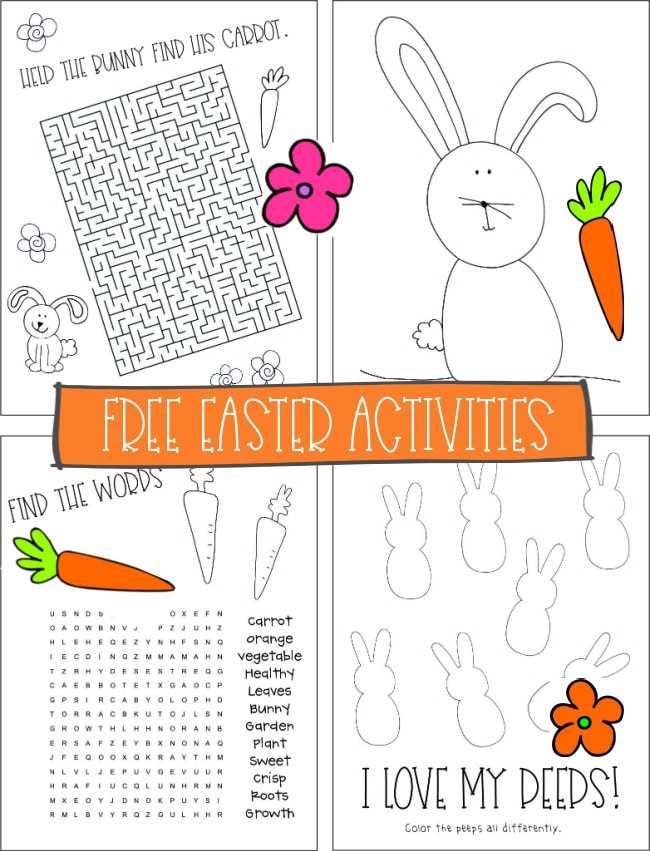
Download themed activity sheets in PDF format with a minimum resolution of 300 DPI and page sizes A4 or US Letter to ensure sharp lines and clean cuts for home use. Choose black-and-white layouts for coloring tasks and low-ink printing, and select color versions only for wall displays or table décor. For classrooms, prepare 20–30 copies in advance and group them into age categories: ages 3–5 for simple shape matching, 6–8 for word searches and counting challenges, and 9–12 for logic puzzles and trivia quizzes.
Prioritize activity sets that include answer keys and clear instructions on a separate page. A standard family gathering of 10 children typically requires at least 5 different task types to keep attention for 60–90 minutes. Combine maze sheets, themed bingo cards (5×5 grids with 24 symbols and one free center square), scavenger hunt checklists, and spot-the-difference illustrations with 8–12 variations. For outdoor egg hunts, attach clue cards printed on 200–250 gsm cardstock to prevent tearing.
Use editable templates in formats such as PDF with form fields or DOCX to customize names, difficulty levels, and prize notes. For budget planning, estimate paper usage at 3–5 sheets per child for a two-hour event. Laminate reusable boards and pair them with dry-erase markers to reduce repeat printing costs by up to 70%. Store master files in clearly labeled folders (age group + activity type) so materials can be reused annually with minimal adjustments.
Spring-Themed Activity Sheets for Kids and Family Parties
Choose ready-to-print activity sheets in PDF format (300 DPI, A4 and US Letter) that include egg hunts on paper, word scrambles, picture bingo, and maze challenges designed for ages 4–12. For mixed-age groups, prepare two difficulty levels: large-format coloring puzzles with 10–15 elements for preschoolers and logic grids or trivia quizzes with 20–25 questions for older children. Print on 120–160 gsm paper to prevent ink bleed from markers, and keep answer keys on separate pages for quick score checks.
For table-based entertainment, use themed bingo cards (5×5 grid, 24 images plus one free square) and matching-card activities where players pair symbols within a 3–5 minute limit. Prepare at least 30 unique bingo variations to avoid duplicates in groups over 15 participants. Laminate reusable sets and provide dry-erase markers to reduce paper waste during large family gatherings.
Outdoor-friendly sheets work well for backyard celebrations: scavenger hunt lists with 12–20 illustrated items, clue-based treasure trails, and counting challenges that require participants to spot decorations or hidden treats. Keep clue cards in waterproof sleeves and assign color-coded routes for teams of 3–4 children to prevent crowding. Set a fixed time cap of 20 minutes and award small themed prizes such as sticker packs or mini craft kits.
For adult-inclusive party rounds, add trivia quizzes with 15 multiple-choice questions about spring traditions, timed word searches with 18×18 letter grids, and “guess the symbol” picture rounds projected on a screen. Combine paper challenges with a simple scoring sheet listing participant names and point totals to maintain structure during gatherings of 10–25 guests.
- Use grayscale files to save up to 40% ink compared to full color pages.
- Test one copy before bulk printing to check margins and scaling at 100%.
- Store master PDFs in cloud storage for quick reprints.
- Prepare small participation prizes to keep children engaged throughout the event.
How to Choose Age-Appropriate Easter Printable Games for Preschoolers, Elementary Kids, and Mixed-Age Groups
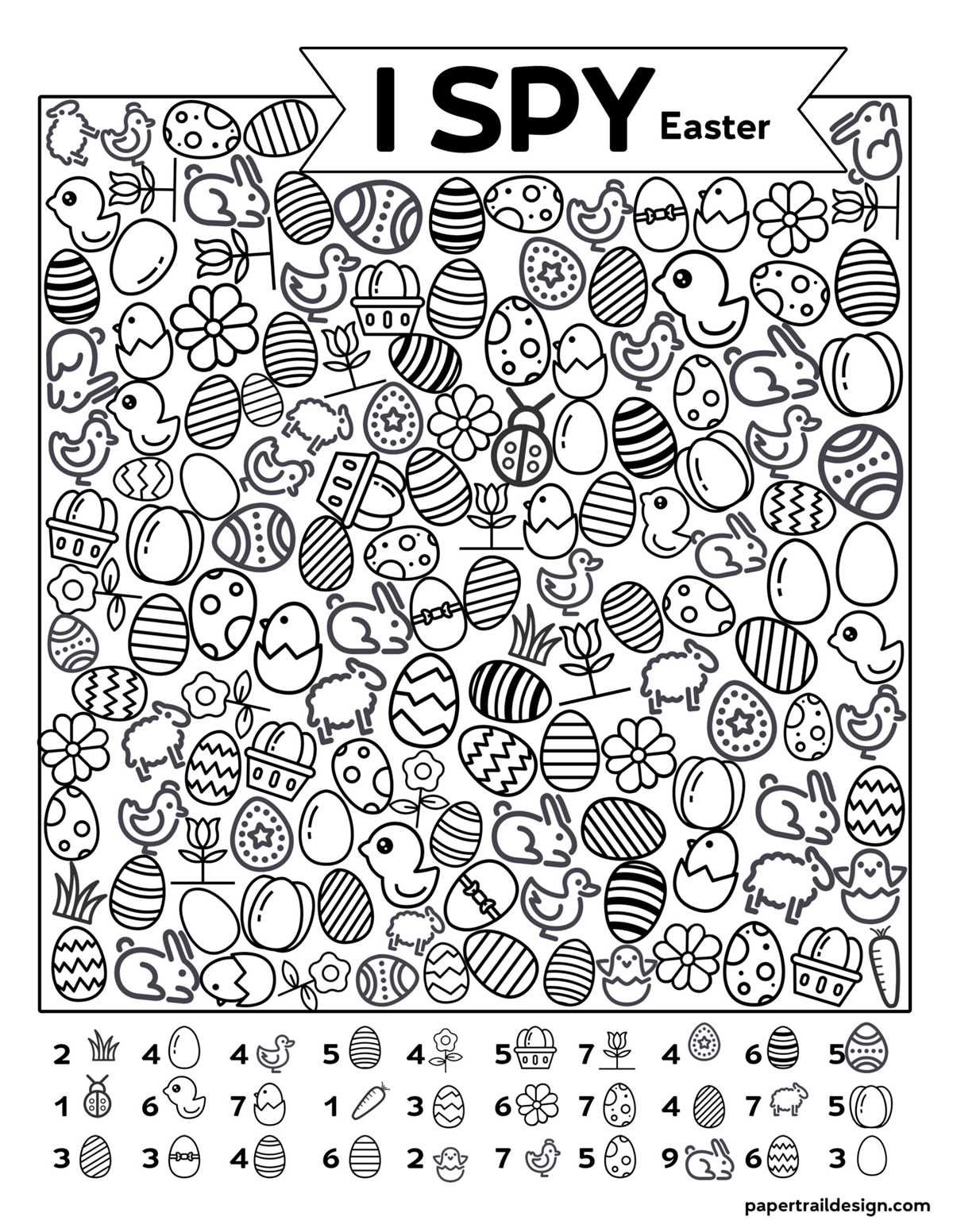
Select activity sheets for ages 3–5 that focus on single-skill tasks lasting no longer than 5–7 minutes per page: large-format matching cards (minimum 5×5 cm images), simple picture mazes with paths wider than 1 cm, counting exercises limited to numbers 1–10, and cut-and-paste sorting with bold outlines at least 2 pt thick. Avoid dense text and multi-step instructions; one visual cue per task keeps attention steady. Use thick paper (160–200 gsm) for durability, especially for tracing eggs, coloring bunnies, or pattern strips designed for scissors practice.
For children 6–9, choose logic challenges and themed worksheets that combine two skills on one page, such as multiplication color-by-number up to 100, word searches with 10–15 seasonal terms, crosswords with clear clues, and decoding puzzles using simple substitution ciphers. Reading-based tasks should stay within grade-level vocabulary, and math sheets should align with current curriculum targets. Limit each session to 20 minutes and provide answer keys separately to encourage independent problem-solving.
For ages 10–12, prioritize strategy-based brainteasers, multi-step scavenger hunts with written riddles, printable escape-room style clue chains, and trivia quizzes tied to spring traditions or cultural history. Text density can increase, but maintain readable fonts (minimum 12 pt) and balanced spacing. Include open-ended challenges such as design-your-own basket budget planning or creative writing prompts to extend engagement beyond quick completion.
For mixed-age groups, select tiered activity packs that offer three difficulty levels of the same task–example: a symbol hunt with 10 items for younger participants, 20 with directional clues for mid-level learners, and coded coordinates for older children. Color-code answer sheets, not the task pages, so all participants feel included. Provide shared materials like cut-out tokens or bingo boards while adjusting rule complexity rather than changing the format.
Before printing large quantities, test one sample page per age range and measure completion time, error frequency, and attention span. If preschoolers exceed 8 minutes, simplify visuals; if older children finish under 5 minutes, add constraints such as time limits or bonus questions. Match paper size (A4 or US Letter) to your printer settings, keep margins at 0.5 inches to prevent trimming loss, and confirm grayscale clarity if color ink is limited.