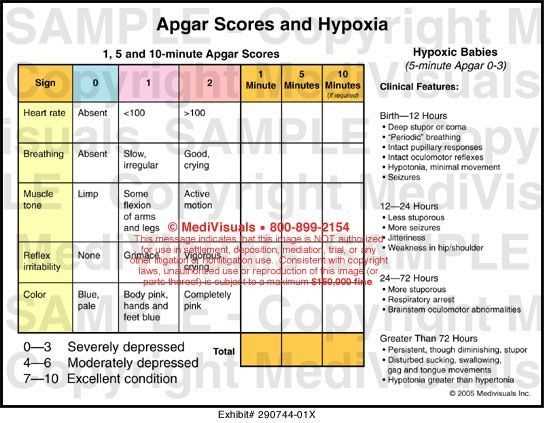
The first moments after birth are crucial for evaluating a newborn’s health. The standard system for assessing the baby’s condition involves checking five parameters: heart rate, respiratory effort, muscle tone, reflexes, and skin coloration. By assigning numerical values to each of these factors, healthcare providers can quickly assess whether immediate intervention is needed. A simple, structured template can help medical professionals record this data swiftly and accurately during the critical first minutes of life.
Healthcare workers should always have easy access to this assessment template, which allows them to document results efficiently without having to rely on memory or extensive notes. By having a printed sheet ready, it ensures that every vital sign is recorded in real-time, leading to faster decisions and appropriate care. Many hospitals use standardized forms for consistency, making it easier to communicate with colleagues or track the baby’s progress during the initial evaluation period.
Ensure the chart is easy to read and includes clear sections for each of the five physical indicators. Having a well-organized format helps avoid confusion, especially during high-pressure situations. Additionally, providing space for comments or additional observations ensures that any variations can be documented, facilitating further assessment if necessary.
Evaluation Grid for Newborn Health Assessment
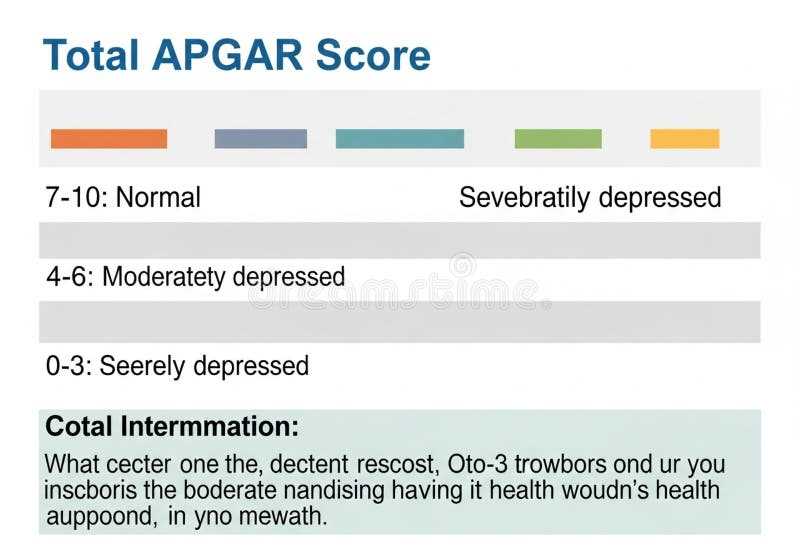
To assess a newborn’s health quickly, a health status grid is used to evaluate five key parameters: heart rate, respiration, muscle tone, reflexes, and skin color. Each of these factors is given a rating from 0 to 2, with the highest possible score being 10. It is recommended to use this grid within the first minute and again at five minutes after birth to determine the immediate well-being of the baby.
For heart rate, a score of 0 indicates no pulse, 1 represents a slow rate (less than 100 beats per minute), and 2 is for a normal pulse (above 100 beats per minute). The evaluation of breathing focuses on the effort and regularity of the baby’s respiratory rate. A score of 0 indicates absent breathing, 1 represents slow or irregular breathing, and 2 is for normal breathing with good effort.
Assessing muscle tone involves checking the baby’s activity level and response to stimuli. A score of 0 reflects limpness, 1 is for some flexion of the limbs, and 2 is for active motion. Reflexes are examined by testing the baby’s response to mild stimuli such as suctioning the nose. A score of 0 indicates no response, 1 is for weak responses, and 2 is for strong, appropriate reflexive actions.
Lastly, skin color is a quick visual check of the baby’s appearance. A score of 0 indicates the baby is pale or blue, 1 is for pink body with blue extremities, and 2 is for the baby being completely pink. After using this grid, the total score can give an immediate indication of whether further medical attention is necessary or if the baby’s condition is stable.
How to Use a Printable Apgar Score Chart for Immediate Newborn Assessment
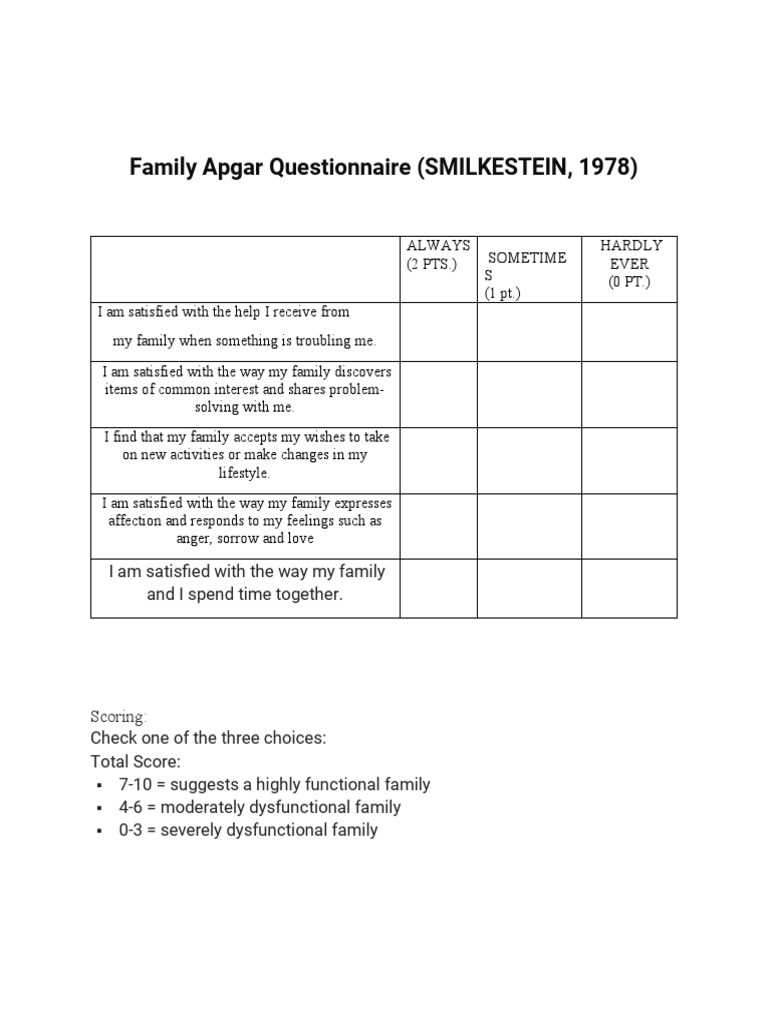
To assess a newborn’s health right after birth, use a table that categorizes key physical signs. The assessment involves checking heart rate, respiration, muscle tone, reflex response, and skin color. Mark each of these on the table based on observed conditions, with values ranging from 0 to 2 for each category. These values are then summed up to give an overall score that determines the need for medical intervention.
Heart rate is the first item to check. If there is no heartbeat, mark 0. A slow pulse is assigned a score of 1, while a healthy rate of over 100 beats per minute earns a score of 2. This is one of the most critical indicators, as it reflects the newborn’s ability to circulate oxygen effectively.
Next, evaluate the baby’s respiratory effort. If the baby is not breathing, assign a 0. If the infant has slow, irregular breathing, mark 1. A vigorous cry signifies healthy lung function and gets a score of 2. This step is crucial for identifying respiratory distress, which requires immediate attention.
- Muscle tone: If the baby is limp and does not move, give a score of 0. A slight flexion of the limbs indicates a score of 1, while active movement earns a 2.
- Reflex response: Check how the baby reacts to stimuli. No response gets 0, a weak reaction to a stimulus scores 1, and a strong, rapid response earns a 2.
- Skin color: A blue or pale appearance results in 0, while pink skin on the body with blue extremities earns 1, and fully pink skin gets a score of 2.
Sum the scores from each category for a total between 0 and 10. A higher score indicates a healthier newborn, while a lower score signals a need for immediate medical care. This system provides a quick, reliable method for determining whether more intensive monitoring or intervention is required.