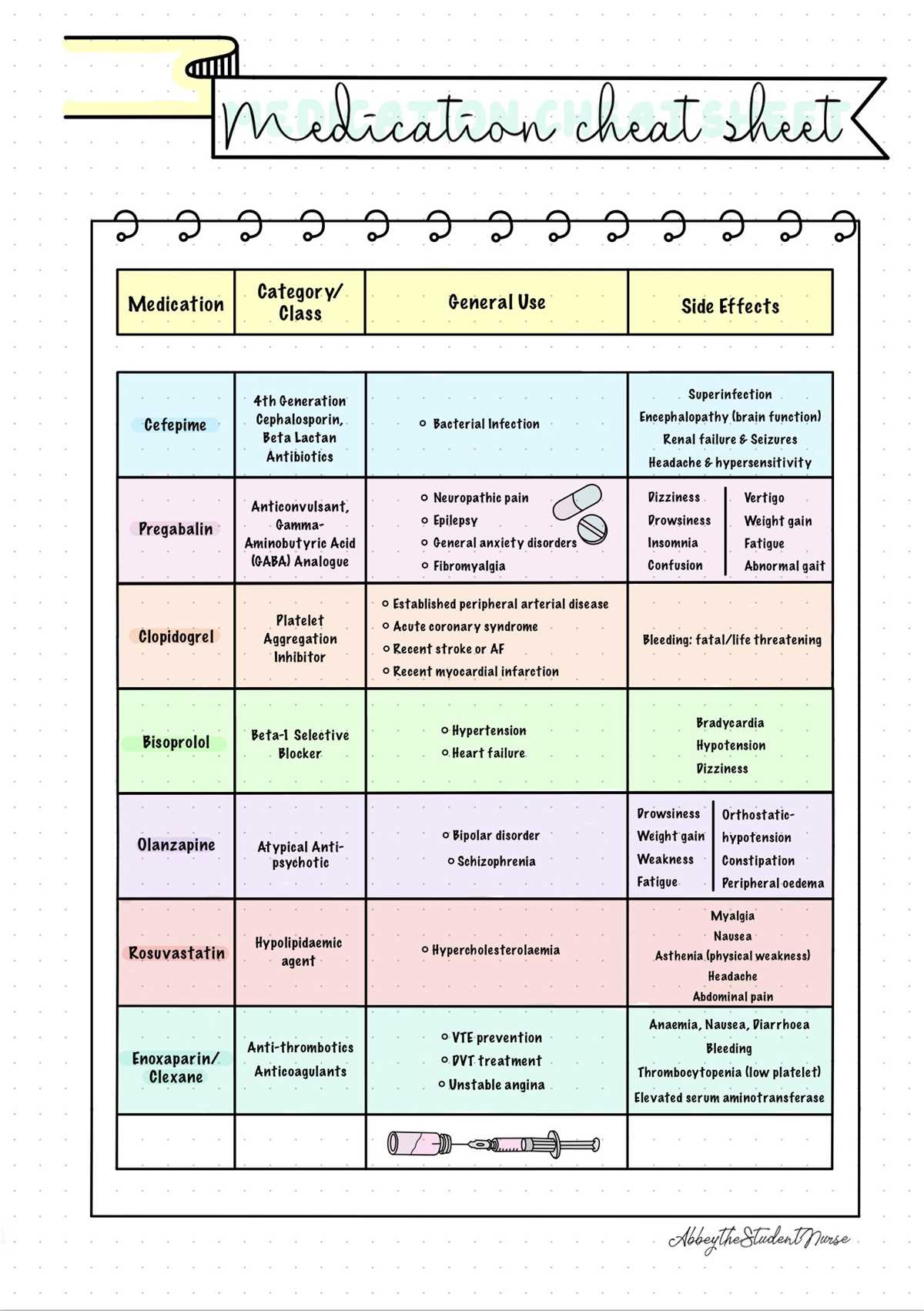
Create a one-page drug reference chart organized by class, standard adult dosage range, route of administration, major side effects, and key monitoring parameters. Limit each entry to 2–3 concise lines to maintain readability during busy clinical shifts.
Include high-risk categories such as anticoagulants, insulin types, opioids, antihypertensives, and common IV antibiotics. Add usual dose range, maximum daily limit, and primary contraindications to reduce calculation errors and unsafe administration.
Use a clear table layout with font size no smaller than 10–11 pt and bold headings for rapid scanning. Arrange drugs alphabetically within each category to shorten search time during rounds or emergency situations.
Review all data against the latest hospital formulary or national drug database before generating a hard copy. Update the chart whenever protocols change, new agents are introduced, or dosing guidelines are revised.
Printable Medication Cheat Sheet for Nurses Quick Drug Reference Guide
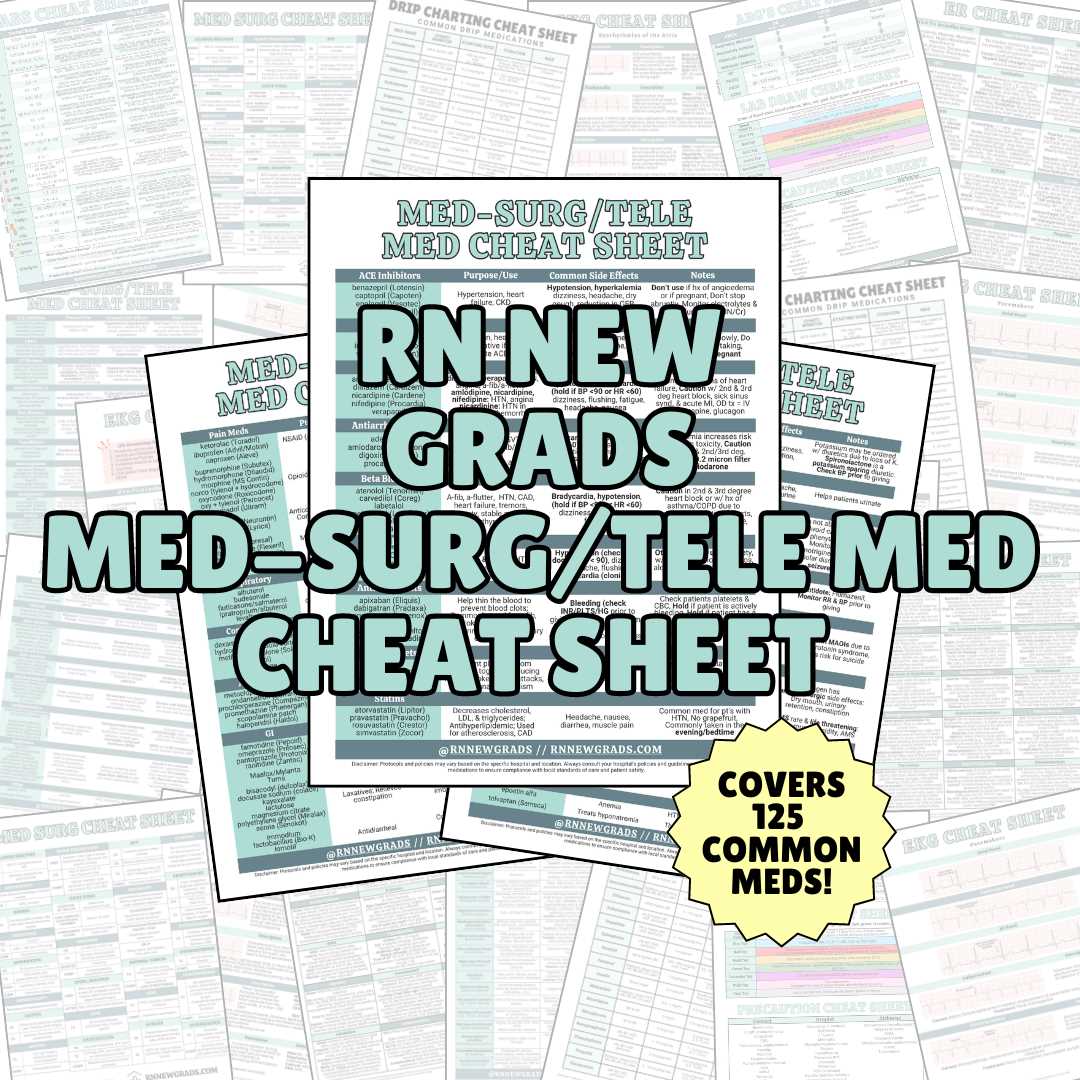
Design a one-page drug reference table grouped by pharmacological class with clearly labeled columns: generic name, usual adult dose range, route, peak time, major adverse reactions, and monitoring points. Keep each entry under three lines and use 10–11 pt font to maintain readability during rounds.
Include high-alert categories and commonly administered agents:
- Anticoagulants with target INR or aPTT values
- Insulin types with onset, peak, and duration
- Opioids with equianalgesic dosing notes
- Antihypertensives with hold parameters based on blood pressure
- IV antibiotics with dilution and infusion time guidelines
Verify all dosage ranges against the current hospital formulary and national drug database before generating a hard copy. Update the reference chart after protocol revisions, newly approved agents, or safety alerts to reduce administration errors and support accurate clinical decisions.
What Drug Classes and Dosage Ranges to Include on a Nursing Medication Cheat Sheet
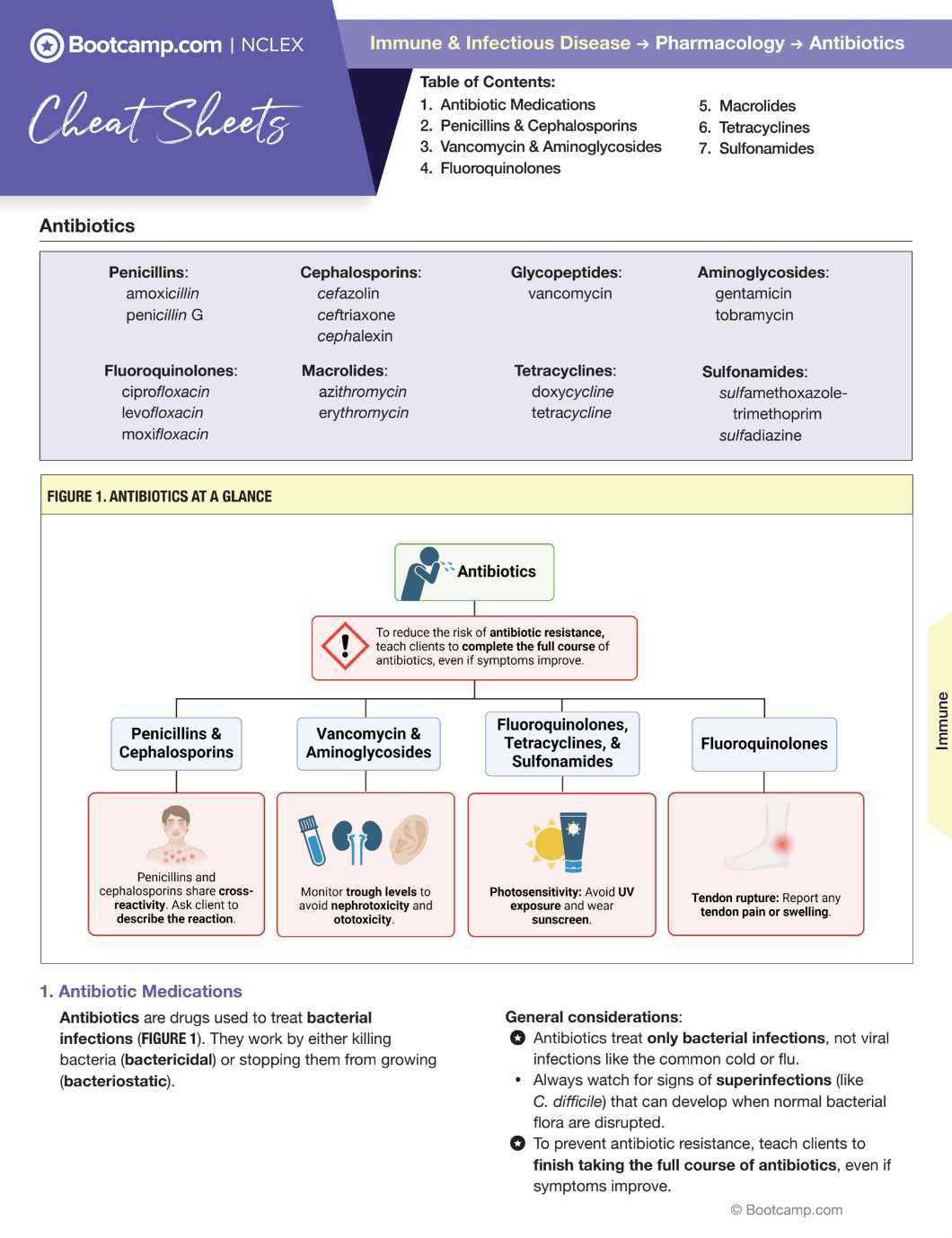
List high-alert drug groups first and add standard adult dosage ranges with maximum daily limits. Focus on anticoagulants, insulin preparations, opioids, cardiac agents, antihypertensives, diuretics, corticosteroids, and broad-spectrum antibiotics commonly administered in acute care units.
For anticoagulants such as heparin and warfarin, include weight-based dosing (for example, heparin bolus 60–80 units/kg IV) and therapeutic monitoring targets like aPTT 1.5–2.5 times control or INR 2.0–3.0 depending on indication.
Document insulin categories with onset, peak, and duration times. Rapid-acting analogs typically begin within 10–20 minutes, peak at 1–3 hours, and last up to 5 hours, while long-acting forms provide basal coverage up to 24 hours. Add common correction scale ranges used in your facility.
Include opioid analgesics with equianalgesic comparisons and safe IV dosing limits, such as morphine 2–4 mg IV every 2–4 hours as needed in opioid-naïve adults. Add respiratory rate hold parameters below 12 breaths per minute.
For antihypertensives and cardiac drugs, record typical oral and IV dosing ranges along with hold criteria, such as withholding beta-blockers if heart rate falls below 60 bpm or systolic blood pressure drops under 100 mmHg.
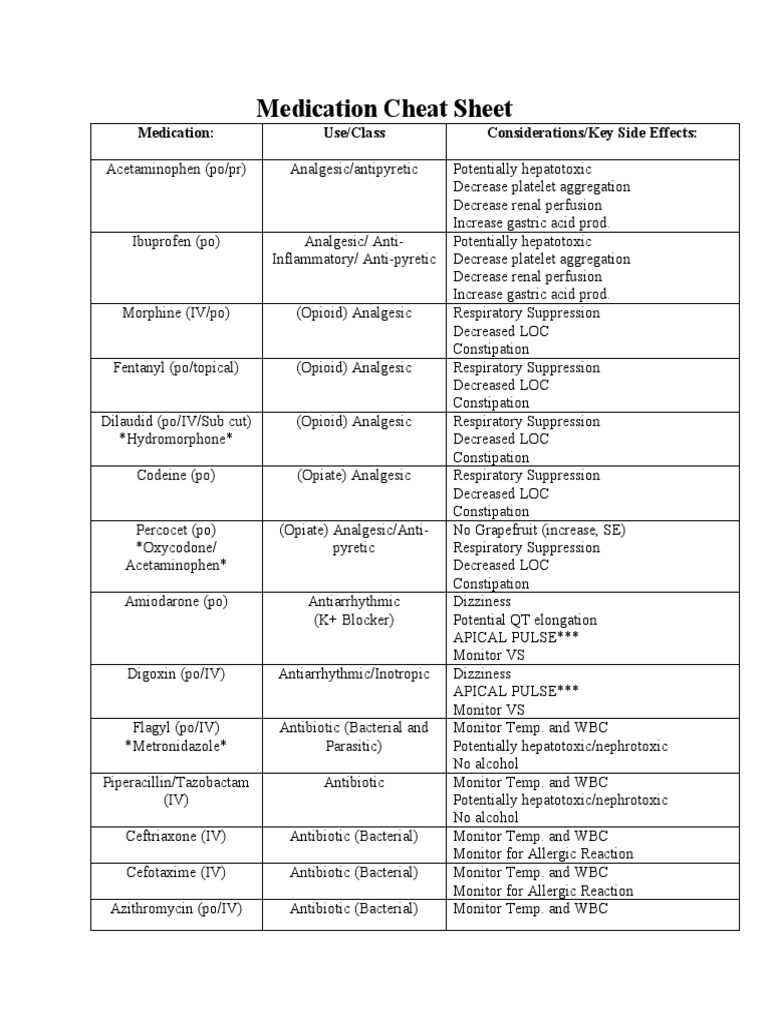
Review antibiotic dosing based on renal function adjustments, noting creatinine clearance thresholds that require modification. Add infusion times, such as vancomycin over at least 60 minutes per gram, to reduce adverse reactions.