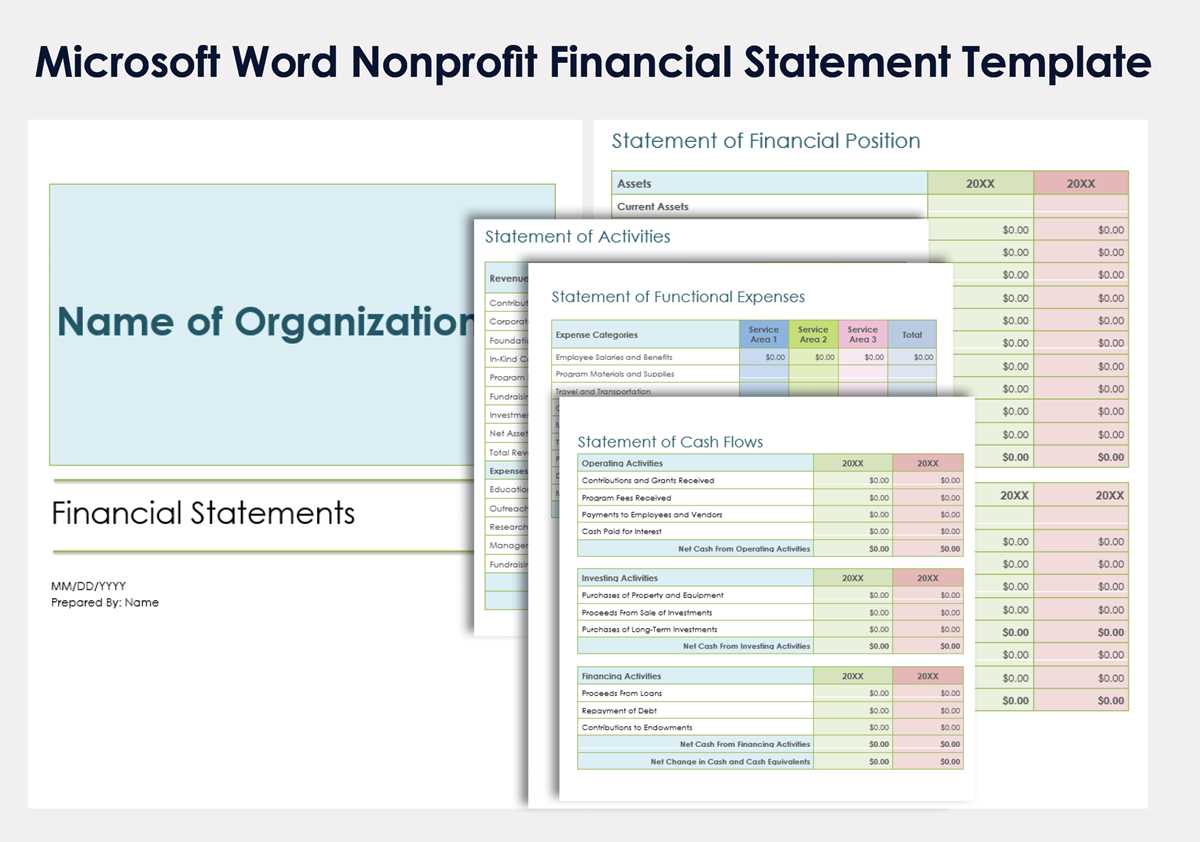
Download a structured balance sheet form in PDF or DOC format, then list all assets, liabilities, income, and expenses using exact figures from bank records, loan agreements, and accounting software. Enter amounts in consistent currency format and verify totals with a calculator before signing.
Separate current and non-current assets such as cash, accounts receivable, equipment, and property. Record short-term obligations like credit card balances under current liabilities, while long-term loans belong in a different section. This structure helps lenders and partners review solvency within minutes.
Update the document monthly or quarterly using the same layout to maintain comparable data across reporting periods. Store signed copies in both digital and paper form for audit preparation, loan applications, or internal budgeting reviews.
Use clear headings for revenue sources, operating costs, tax payments, and net profit. Double-check calculations for total assets minus total liabilities to confirm net worth accuracy before submitting the document to banks, investors, or regulatory bodies.
Printable Financial Statement Template
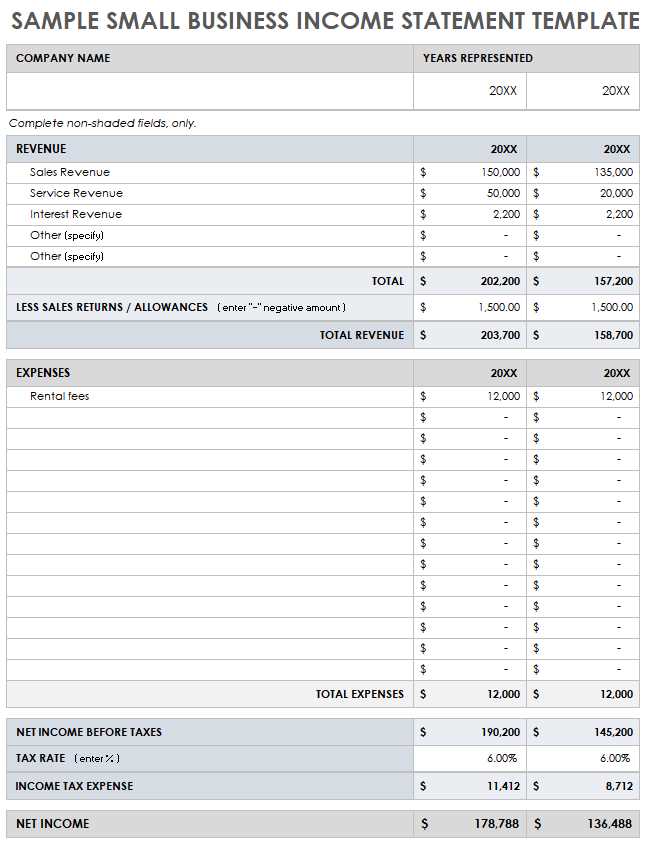
Use a structured balance sheet form that lists assets, liabilities, income, and expenses in clearly separated sections. Enter data directly from bank statements, accounting software reports, payroll summaries, and loan schedules to avoid estimation errors.
Divide assets into current items such as cash, accounts receivable, and inventory, plus long-term holdings like property, vehicles, and equipment. Record obligations in two categories: short-term debts payable within 12 months and long-term loans extending beyond one year.
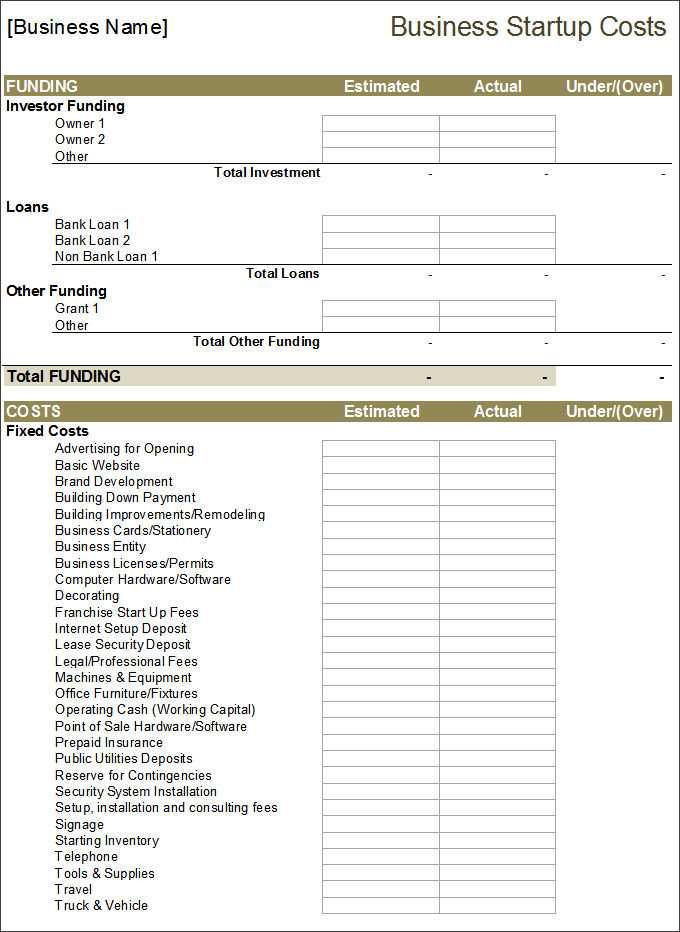
Calculate net worth by subtracting total liabilities from total assets. Confirm the result with a secondary manual check or spreadsheet formula. Differences often appear due to missed accruals or unrecorded interest.
Include an income summary section showing revenue streams, operating costs, taxes, and net profit for the reporting period. For small businesses, monthly reporting provides clearer performance tracking than annual summaries.
Maintain consistent formatting across reporting periods. Use the same layout, currency, decimal precision, and category names to simplify comparisons between quarters or fiscal years.
Print copies on standard A4 or US Letter paper using black ink for clarity. Leave space for signatures and dates to validate the document during audits, loan applications, or investor reviews.
Store signed records in both physical folders and encrypted digital storage. Retain documents for at least five to seven years to meet common regulatory and tax compliance requirements.
How to Fill Out a Financial Statement Template Step by Step
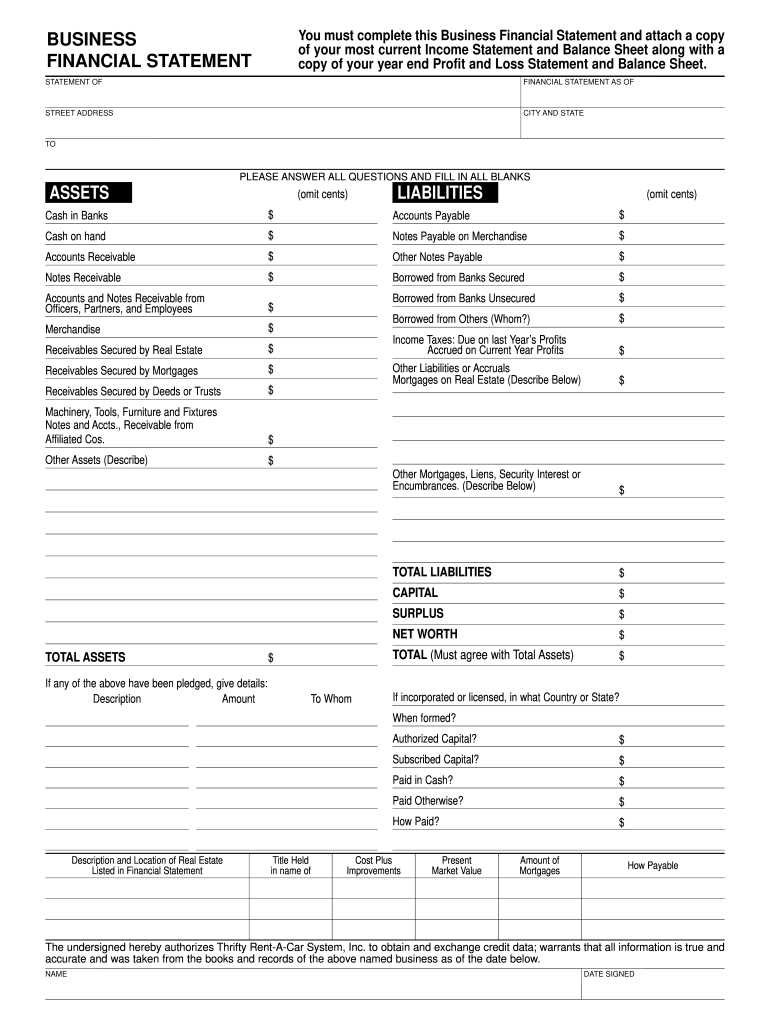
Gather bank statements, credit card summaries, loan agreements, payroll reports, tax filings, plus accounting software exports covering the same reporting period before entering any numbers into the form.
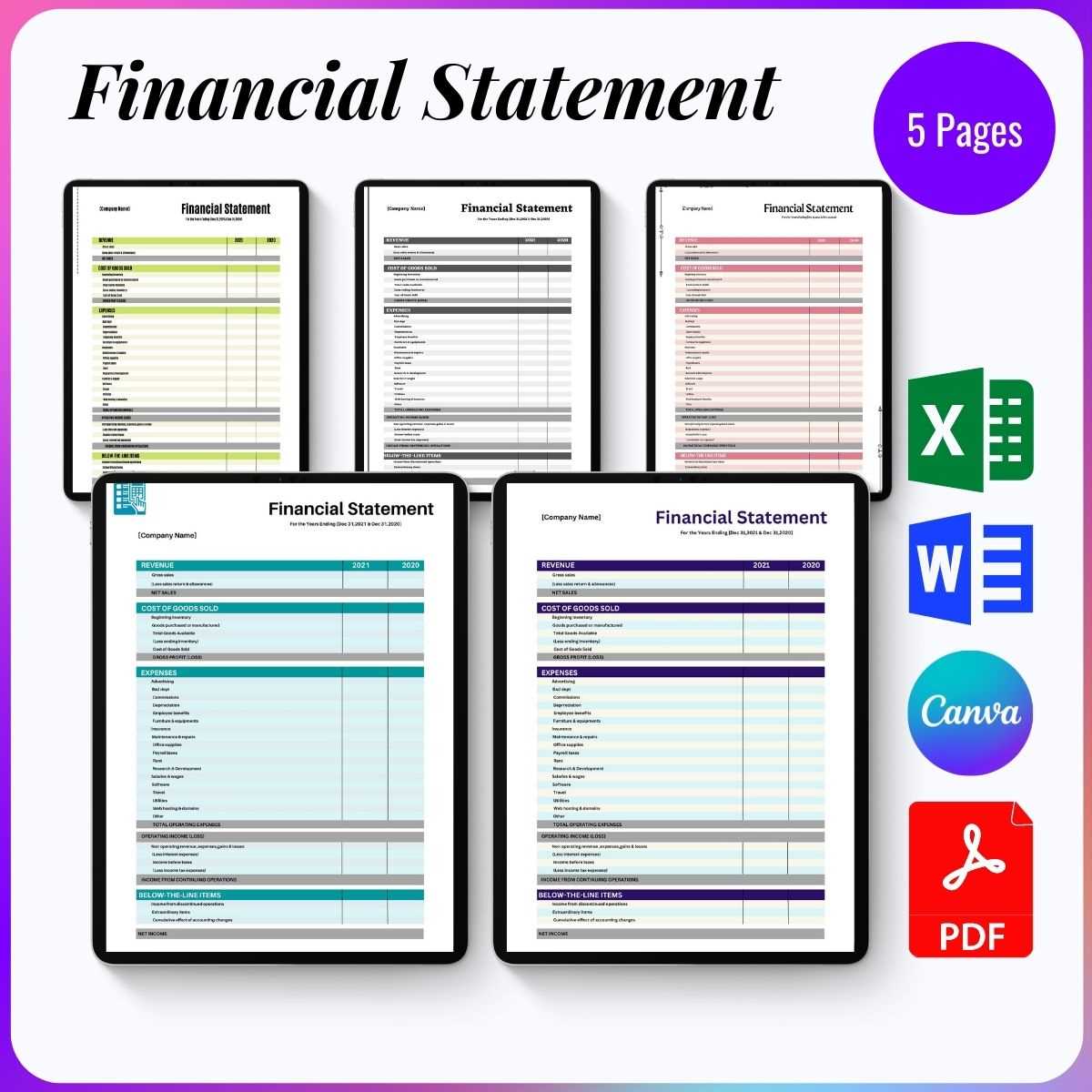
Complete the assets section first. List all resources owned as of the reporting date:
- Cash on hand and bank balances
- Accounts receivable
- Inventory value
- Equipment and vehicles at book value
- Real estate holdings
Total each category, then calculate the combined asset figure. Use exact amounts, not rounded estimates.
Record liabilities next. Separate obligations into short-term (due within 12 months) and long-term. Include:
- Credit card balances
- Supplier payables
- Tax dues
- Business loans
- Mortgage balances
Add all debts carefully. Verify interest accruals up to the reporting date to prevent understatement.
Enter income and expense data for the selected period. Provide gross revenue, cost of goods sold, operating expenses, payroll, rent, utilities, insurance, and tax payments. Subtract total expenses from total revenue to determine net profit or loss.
Calculate net worth by subtracting total liabilities from total assets. If the numbers do not balance, recheck entries for omitted debts or duplicated asset lines.
Review the completed document for consistency in currency format, decimal placement, and reporting date. Sign and date the form, then store both digital and paper copies for audit, lender review, or internal analysis.